
6 Incredible Countries You Can Actually Visit on a Budget
Dreaming of travel without breaking the bank? You’re in the right place. This long, practical guide walks you step by step through six brilliant, budget-friendly countries where your money stretches far:
Vietnam, Portugal, Mexico, Colombia, Georgia (the country), and Nepal. For each country you’ll get: a realistic daily-budget estimate, best time to visit, top experiences, sample low-cost itineraries, transport/food tips, safety notes, and smart money-saving hacks so you can travel longer and better.
I wrote this with real, recent budget figures and resources in mind so you can plan a trip that’s both fun and affordable. Let’s go!
Why these countries?
These six destinations combine great value (cheap food, inexpensive transport, affordable lodging) with memorable culture, scenery, and safety for travelers.
They’re also well-served by budget transport and have plenty of low-cost activities perfect for backpackers, solo travelers, couples, and families trying to cut costs without missing out.
Quick money primer: what “budget” means here
Throughout this post “budget” refers to a frugal-but-comfortable traveler: private hostel/dorms or budget guesthouses, local meals and occasional splurges, public transport and some paid sightseeing. Expect to spend roughly:
- Very cheap / backpacker: $15–$40 per day (dorms, street food, local buses).
- Comfortable budget: $40–$80 per day (private rooms, mix of street eats and restaurants, some tours).
Below I give country-specific estimates and cite sources so you can plan with confidence.

Why go
Vietnam packs dramatic landscapes (Halong Bay, rice terraces of Sapa), delicious and extremely cheap street food, fascinating history, and well-priced transport.
From buzzing Hanoi streets to the limestone karsts and the Mekong Delta, there’s a lot to see on a small budget.
How much you’ll actually spend
Budget/traveler reports show daily costs for very frugal travelers often sit below $20 per day (hostel dorms, local buses,
street food), while a comfortable budget is closer to $30–$50/day depending on activities.
These on-the-ground figures come from recent travel cost breakdowns and backpacker budgets.
Best time to visit
Weather varies drastically north-to-south. For overall good weather and cheaper shoulder-season prices, consider September–November or March–May (shoulder seasons; fewer crowds than high season). Peak tourism months pack higher prices.
Top budget-friendly experiences
- Street-food crawl (pho, banh mi, bun cha) — pennies to a few dollars per meal.
- Free walking tours (many cities offer donation-based walking tours).
- Overnight sleeper buses between cities (cheap and save a night’s accommodation).
- Cheap boat trips in Halong Bay (look for budget group options).
- Historic museums and markets in Hanoi and Hoi An.
Sample 7-day budget itinerary (rough total: $140–$350 depending on style)
Day 1–2: Hanoi old quarter walking, street food, museums.
Day 3: Day trip to Ninh Binh (Tam Coc/Bai Dinh).
Day 4–5: Overnight train/bus to Hue and Hoi An explore ancient capital/Old Town.
Day 6–7: Fly or bus south to Ho Chi Minh City; visit Cu Chi tunnels, Ben Thanh market.
Tips: book a couple of key tickets in advance but haggle/compare for domestic buses and day tours.
Money-saving tips
- Eat street food and shop at markets.
- Use sleeper buses for transport + accommodation savings.
- Book hostels with kitchen access or free breakfast.
- Negotiate taxi fares or use ride-hail apps where available.

Why go
Portugal gives you historic cities, dramatic coastlines, and excellent food at far friendlier prices than many Western European neighbors.
Lisbon and Porto offer culture and nightlife without the astronomical costs you’d find in London or Paris.
How much you’ll actually spend
Budget traveler averages cluster around ~$65–$85 per day for a frugal-but-comfortable trip in Portugal (hostels from €20–€30, cheap public transport, market meals), though extremely frugal backpackers can approach lower figures in smaller towns.
Recent budget guides and traveler breakdowns reflect similar numbers for 2024–2025.
Best time to visit
September–October (shoulder season) is excellent: warm weather, fewer crowds, and lower prices than summer months.
Off-season (late autumn and winter) drops prices further but expect cooler, rainier weather in places.
Top budget-friendly experiences
- Free/cheap walking tours in Lisbon and Porto (donation-based).
- Ferry-crossing views on the Douro and cheap riverfront wine tastings in Porto cellars with budget options.
- Surfing/relaxing on Atlantic beaches near Ericeira and Nazaré (many free or low-cost activities).
- Explore small towns (Sintra, Óbidos) via day trips on regional trains.
Sample 6–8 day budget itinerary
Day 1–3: Lisbon — Alfama, Bélem, tram 28 ride.
Day 4–5: Porto — Ribeira, port wine cellars (look for low-cost tastings), Douro riverside stroll.
Day 6–7: Train to the Algarve or day trips to Sintra.
Money saver: book intercity trains early, use regional buses for shorter trips, and take advantage of low-cost supermarket picnics.
Why go
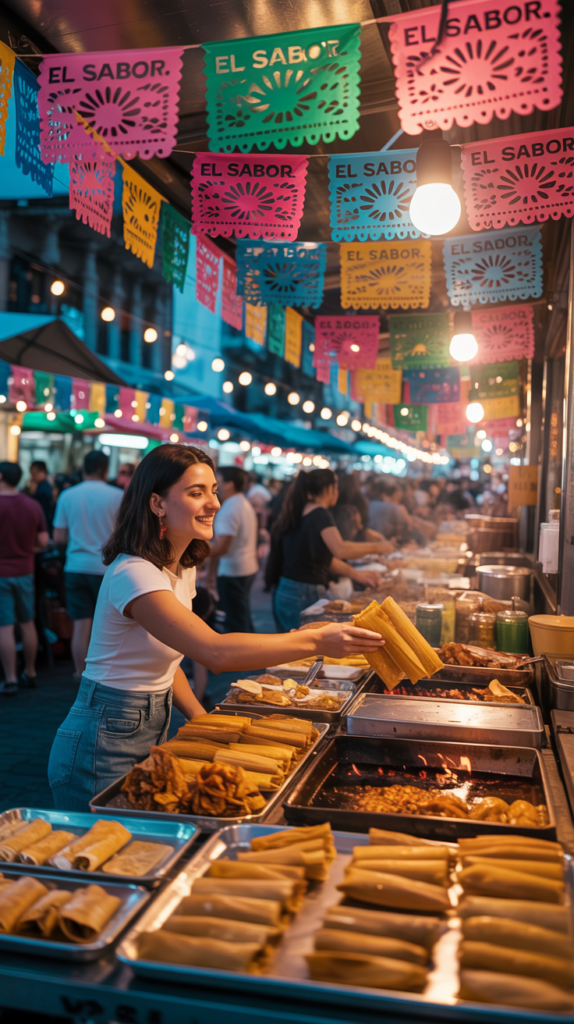
Mexico mixes beaches, colonial cities, vibrant food scenes, and archaeological sites plus an unbeatable street-food culture.
You can spend cheaply in many parts while still enjoying world-class experiences.
How much you’ll actually spend
Recent traveler budgets show that a budget traveler can expect roughly $40–$50 per day on average in Mexico for a frugal style (dorms or cheap private rooms, local buses, market eats), with mid-range travel considerably higher if you choose nicer hotels or frequent guided tours.
Best time to visit
It depends on region: high season for the coast is winter and spring (drier).
For city travel (Mexico City, Oaxaca), shoulder seasons (spring & fall) give pleasant weather and fewer crowds.
Avoid hurricane season on the east coast if you want lower risk and better beach weather.
Top budget-friendly experiences
- Street-food feast (tacos, tamales, marquesitas) excellent value.
- Cheap colectivos and ADO buses for intercity travel.
- Museums and historic center walking tours (many cheap or donation-based).
- Free/low-cost beach days on the Pacific and quieter east-coast lagoons in the shoulder season.
Sample 7–10 day budget itinerary (total ~ $300–$700 depending on choices)
Day 1–3: Mexico City — Zócalo, Frida Kahlo museum (book in advance), food markets.
Day 4–6: Oaxaca — mezcal tastings, Monte Albán (budget bus) and markets.
Day 7–10: Head toward the coast (Puerto Escondido or Oaxaca coast) for cheap beach time or fly to Yucatán for cenotes and ruins.
Money saver: overnight buses to save nights and avoid extra accommodation.
Why go
Colombia blends cities with incredible nature (coffee region, Tayrona National Park), friendly people, and improving safety while staying very affordable.
It’s become a hotspot for budget travelers seeking culture and adventure.
How much you’ll actually spend
Budget travelers often report around $15–$25 per day in many Colombian destinations (cheap dorms, public buses, street food), though touristy spots can push the price up. Recent aggregations and traveler reports show average budget traveler costs around $18/day in 2024–2025 data.
Best time to visit
Climate varies by region (Caribbean coast has dry season December–March; the Andes have microclimates). For many areas, December–March is sunny and dry; shoulder seasons can mean better deals. Research region-specific weather before planning.
Top budget-friendly experiences
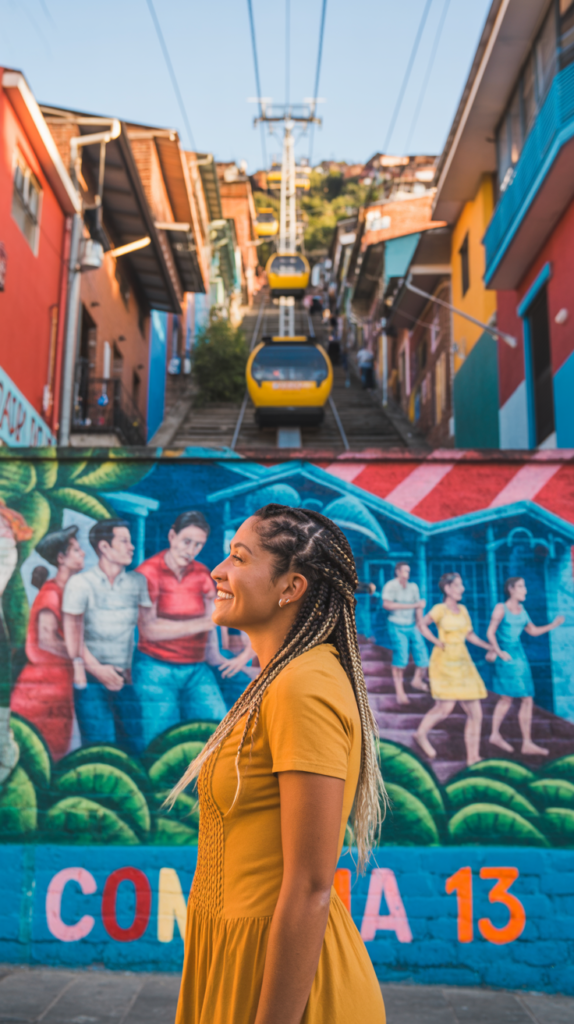
- Explore Medellín’s free/cheap cultural offerings (Metro cable rides, parks).
- Coffee region hikes and farm stays (many budget tours).
- Cartagena’s old town (walkable, though accommodation can be pricier—consider staying in nearby Getsemaní or even Barranquilla).
- Tayrona National Park for low-cost nature immersion (entry fees apply).
Sample 8-day budget itinerary
Day 1–3: Bogotá — museums and graffiti walks.
Day 4–6: Medellín — explore plazas, cable cars, nearby day hikes.
Day 7–8: Fly/bus to Cartagena or head to the coffee region (Salento) for natura and hikes.
Money saver: take local buses between small towns, and pick guesthouses with included breakfast.
Why go
Georgia is a sleeper-hit for travelers: dramatic Caucasus scenery, ancient churches, superb wine, and one of the lowest costs in Europe/West Asia. Food and wine culture are central and very affordable.
How much you’ll actually spend
Backpacker budgets in Georgia are especially low many guides show that $30–$40 per day gives you a comfortable experience, and truly frugal travelers can live on about $25–$35/day in cities like Tbilisi or Kutaisi. Some reports place budget backpacker minimums around ~100 GEL (~$35) per day.
Best time to visit
Late spring to early autumn (May–October) is ideal for mountain hiking and wine-region visits. Winters are cold in the mountains, though Tbilisi remains livable and budget-friendly.
Top budget-friendly experiences
- Wander Tbilisi’s old town (free to stroll; cheap cafes).
- Take day trips to Kakheti (wine region) for inexpensive tastings and local supra (feasts).
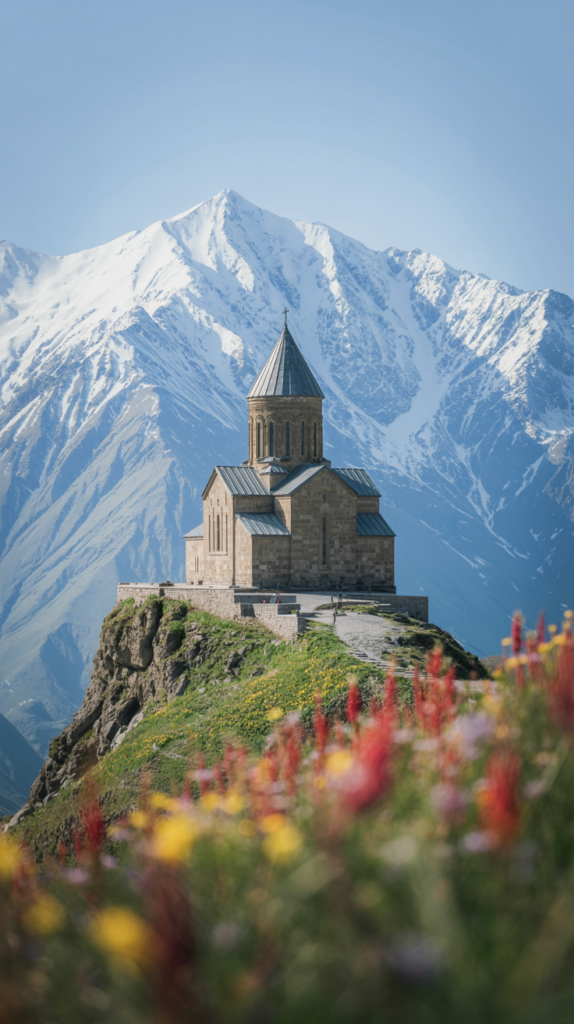
- Hike in Kazbegi (St. Trinity Church at Gergeti) — public marshrutkas are cheap.
- Explore Uplistsikhe and ancient sites (low entrance fees).
Sample 7-day budget itinerary
Day 1–2: Tbilisi — Narikala fortress, sulfur baths (budget baths exist).
Day 3–4: Kakheti wine region — inexpensive homestays and tastings.
Day 5–7: Travel north to Kazbegi for hiking and mountain viewpoints.
Money saver: use marshrutkas for intercity travel and choose guesthouses with home-cooked meals.
Why go
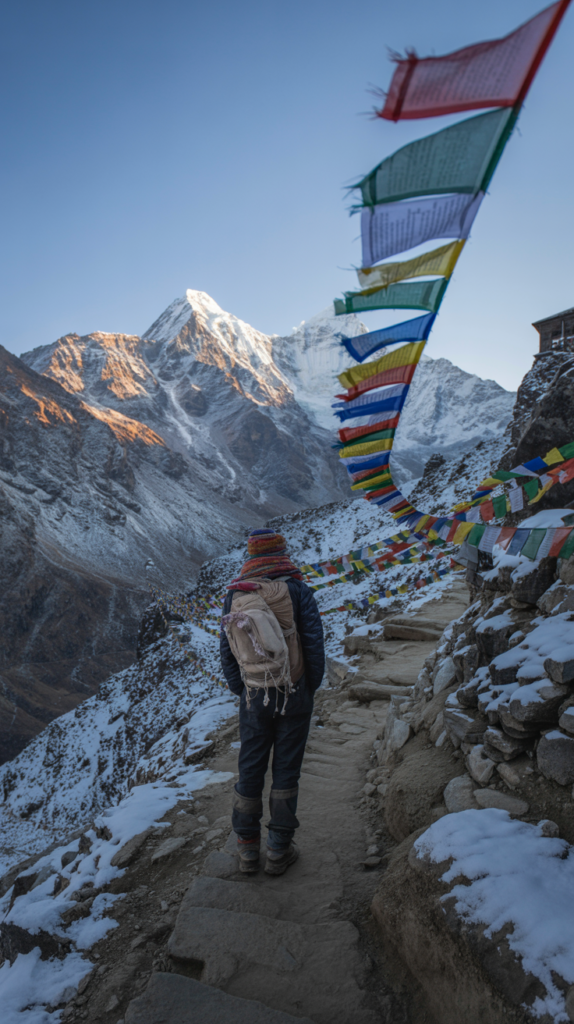
If mountains are your thing, Nepal gives access to some of the world’s best treks without the premium price tag.
Even outside trekking, Nepal’s culture, temples, and hospitality are extremely budget-friendly.
How much you’ll actually spend
Recent travel-cost aggregators put budget traveler daily costs at roughly $15 per day in Nepal for basic dorms, local food, and buses; trekking days cost more due to permits, guides, and higher teahouse prices.
These averages are consistent across recent traveler surveys.
Best time to visit
For trekking: Autumn (Sept–Nov) and spring (Mar–May) are the best stable weather and clear mountain views. Off-season is cheaper but wetter or colder.
Plan trekking permits and guide bookings in shoulder seasons for better deals.
Top budget-friendly experiences
- Short treks (e.g., Ghorepani Poon Hill, Annapurna Base Camp) you can do many multi-day treks on modest budgets; however, note teahouse and permit costs.
- Explore Kathmandu’s Durbar Square, Bhaktapur and Patan (cheap entrance fees).
- Experience local transport (shared jeeps, buses) for low-cost travel between towns.
Sample 10-day budget itinerary (including a short trek)
Day 1–2: Kathmandu cultural sites, prepare for trek.
Day 3–8: Ghorepani Poon Hill trek (budget teahouse route; local guide optional but recommended if inexperienced).
Day 9–10: Return to Pokhara for lakeside chill and budget restaurants.
Money saver: pack layers to avoid buying gear locally, consider guided treks only when necessary (and compare group rates).
How to realistically budget for a 2-week trip (worked example)
Let’s run a quick, concrete example for a 2-week Vietnam trip on a comfortable budget:
- Flights (varies by origin) – not included in daily budget.
- Accommodations (14 nights at $12/night average dorm/private budget guesthouse): $168
- Food ($10–$20/day): $140–$280
- Transport (intercity buses/trains domestic flights): $60–$150
- Activities & entrance fees: $50–$150
- Misc (SIM, laundry, souvenirs): $40–$80
Total rough budget (2 weeks): $458–$828, depending on choices. For other countries, use the country daily-budget figures above multiplied by days, then add flight and transport between regions.
(Caveat: flight prices vary widely; use flight alerts and low-cost carriers to save).
For general flight-and-booking hacks, travel experts recommend tools like Google Flights, Skyscanner, and booking in shoulder season to reduce costs.
12 Practical money-saving travel hacks that actually work
- Travel shoulder season — fewer crowds and lower prices. (Already mentioned for many countries above.)
- Use local buses / trains / marshrutkas instead of taxis and private cars.
- Cook or picnic — hostels with kitchens or markets are huge savings.
- Book accommodations with free breakfast — that one meal makes a big dent.
- Night buses/sleeper trains — save on both transport and a night’s room cost.
- City tourist cards only when they save — do the math for museums you actually want.
- Use free walking tours (tip-based) — great orientation and cheap.
- Buy local SIM with data — cheaper than roaming for navigation/booking apps.
- Pack smart — avoid buying gear at tourist prices in-country.
- Negotiate respectfully at markets and with local operators when haggling is the norm.
- Split costs in groups — tours and taxi rides get cheaper per person.
- Use travel rewards and alerts — sign up for fare alerts and flash sales.
Safety and common-sense tips for budget travelers
- Keep digital copies of passport and important docs.
- Use a money belt or hidden pouch for cash/passport in crowded places.
- Register with your country’s travel advisory system if available (good practice for longer trips).
- Be cautious with street food if you have a sensitive stomach but in most countries listed, busy stalls are usually safe.
- Listen to locals about areas to avoid at night and be mindful of scams.
- For treks (Nepal/Georgia mountain hikes) hire a local guide if you’re not experienced safety matters more than saving a few dollars.
Packing checklist for budget travel (essentials only)
- Lightweight backpack (carry-on friendly).
- Quick-dry clothes, one warm layer, rain jacket.
- Reliable walking shoes + sandals.
- Small first-aid kit & any meds.
- Universal adapter + power bank.
- Lightweight lock and packing cubes.
- Reusable water bottle (filter bottle if you plan remote treks).
- Copies of passport and travel insurance details.
Real traveler budgeting tools & resources (useful links)
- Flight search/alerts: Google Flights, Skyscanner (use fare alerts).
- On-the-ground costs: BudgetYourTrip, Backpacker blogs, and local traveler write-ups (linked above for country-specific data).
Final tips — plan smart, travel longer
- Pick 1–2 priorities per country (food, beaches, trekking) and accept tradeoffs don’t try to see everything. That’s how costs balloon.
- Book only the non-refundable essentials (international flights, must-have tours) and leave flexible space for cheap, local adventures.
- Use local knowledge: hostel staff, guesthouse owners, and walking tour guides are goldmines for budget-friendly recommendations.
- Keep a daily spending log for the first few days to anchor your budget and adjust before it’s too late.
Quick recap (so you can plan fast)
- Vietnam: Truly cheap street food, $15–$40/day possible; best in shoulder months.
- Portugal: Western Europe but affordable expect roughly $65–$85/day for budget travelers; visit in Sept–Oct.
- Mexico: Big variety; budget travelers can average $40–$50/day; great food & culture.
- Colombia: Low daily costs (often ~$15–$25/day) with rich experiences and natural beauty.
- Georgia: Excellent value in the Caucasus; comfortable budget near $30–$40/day.
- Nepal: Trekking can be inexpensive (apart from permits/guides); budget travelers can average ~$15/day off-trail.


Post Comment